

When a gel manicure starts lifting, peeling off that loose edge can feel like the quickest fix. But a few minutes of picking can leave your natural nails rough and thin long after the color is gone.
A proper soak-off takes more patience, but it gives the product time to release without pulling at the nail underneath. Here’s what to know before your next removal, especially if you’re changing colors for Thanksgiving or the holiday party season.
What happens when you peel off gel?
Gel polish adheres to the surface of your natural nail. When you pull it off, you can take some of the nail’s surface layers with it. That may leave nails looking chalky or uneven and feeling thinner, more flexible or sensitive. Picking at acrylic, dip or extensions can cause similar problems, especially if you force off product that is still firmly attached.
Repeated aggressive filing can also thin the nail plate. Removal doesn’t have to hurt, and a burning sensation or sharp discomfort is a reason to speak up and stop. No method is guaranteed to prevent nail damage, but avoiding force and excessive filing makes a difference.
If a corner catches on your hair or clothing, don’t pull it. Keep the nail short enough to avoid snagging, and arrange removal rather than trying to lift the rest yourself.
How a proper soak-off works
A soak-off uses acetone to soften compatible nail products so they can be removed with less force. For soak-off gel polish, the shiny top layer is often lightly filed first to help the acetone reach the color underneath. Acetone-soaked cotton is then placed on each nail and secured with foil or a suitable wrap.
After the product has had time to soften, it can be gently eased away. If it still clings, it needs more time rather than harder scraping. The remaining residue may be gently tidied up, followed by handwashing and moisturizer or cuticle oil.
Timing varies with the product, its thickness and how much remains on the nail. Acetone can dry the skin around your nails, so careful application and moisturizing afterward are useful. A soak-off is not a race, and a longer appointment is preferable to forcing stubborn product away.
Gel polish, dip and extensions don’t all come off the same way
Before removal, tell your nail technician what you have on your nails if you know. The right approach depends on the material, not just its appearance. A thick overlay or extension may need product carefully reduced before it can be soaked, while some products are designed to be filed off rather than dissolved.
- Soak-off gel polish: Usually softened with acetone after the top coat is lightly broken. Some gels are not soak-off formulas, so don’t assume acetone will remove every gel.
- Dip powder and acrylic: These products can often be soaked off with acetone, but their thickness may call for careful thinning first. Pulling off a loose piece can still damage the nail underneath.
- Gel-X: Soft gel extensions can be soaked off, but the length and thickness of the extension may affect the process. Don’t pry the tip away from your natural nail.
- Builder gel: Formulas vary. Some are soak-off products; others need to be filed off. If you’re unsure which you have, let a technician assess it rather than scraping or soaking indefinitely.
At P&T Nails Spa, soak-off add-ons start at $5 for gel polish, $5 for dip, $10 for Gel-X and $15 for acrylic. Let us know what’s currently on your nails when you book, so we can plan for removal as well as your next service.
If you soak off gel at home
Professional removal is a good choice if you’re unsure what product you’re wearing, have thick enhancements or can’t remove the product without force. If you know you have soak-off gel polish and decide to remove it at home, work slowly and follow the product’s directions.
- Set up safely. Work in a ventilated area, away from flames and heat. Acetone is flammable. Protect your work surface and keep it away from children and pets.
- Lightly break the shine. Use a nail file on the gel’s top coat, not the exposed natural nail. Stop if you reach the nail or the area feels uncomfortable.
- Wrap each nail. Place a small piece of acetone-soaked cotton on the polish and secure it with foil. Follow the product directions for timing; thicker or stubborn layers may need longer.
- Check gently. Remove one wrap and use a wooden manicure stick to gently ease away softened product. Don’t dig, scrape hard or pry. Rewrap any product that doesn’t release easily.
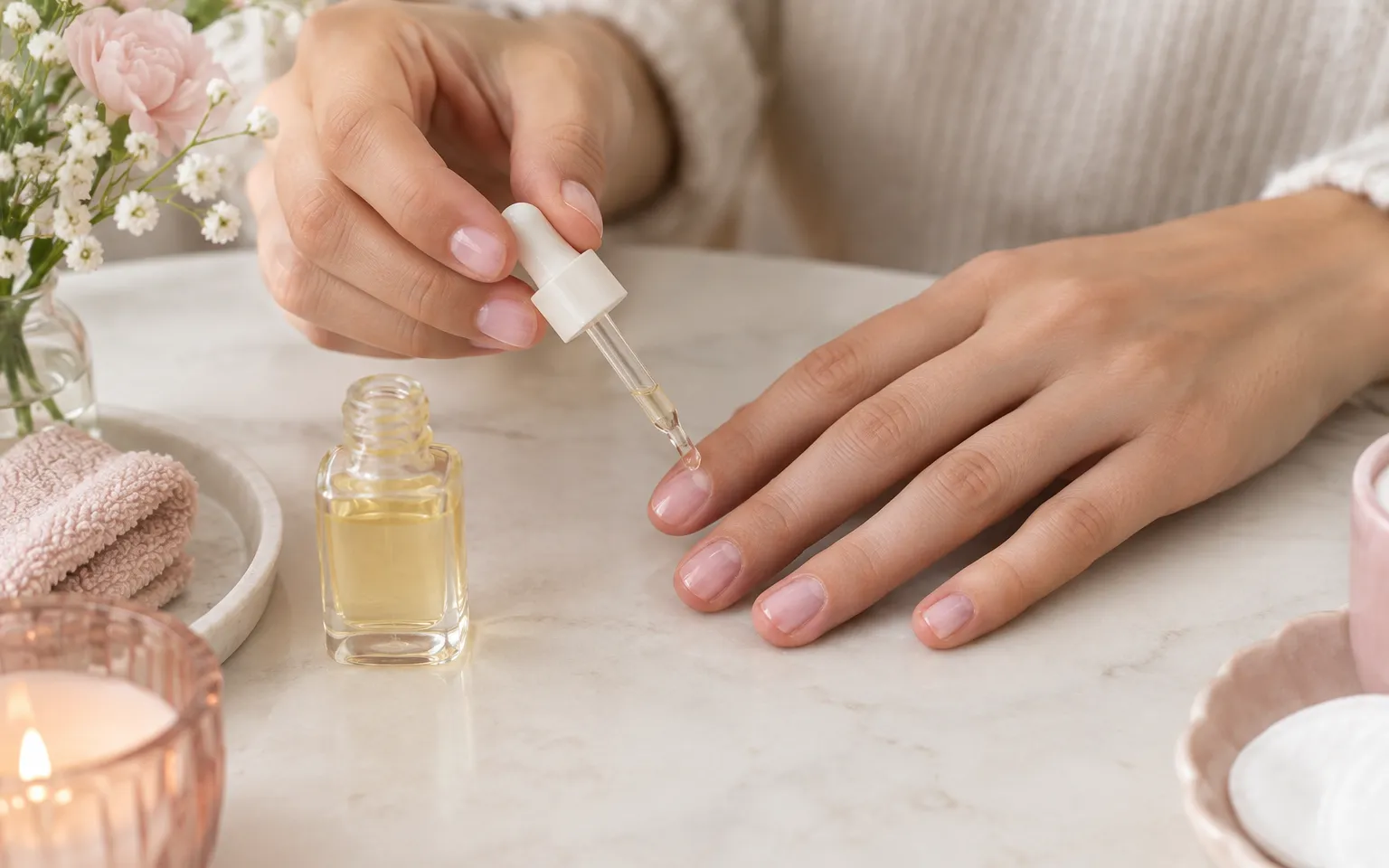
- Wash and moisturize. Wash your hands after removal, then apply hand cream or cuticle oil. Keep the nails comfortably short if they feel prone to snagging.
Skip home removal if the skin around your nails is broken or irritated, or if your nails are painful. If you develop a significant reaction or have signs that concern you, see a doctor or dermatologist rather than covering the area with another manicure.
Caring for nails after removal
After any nail removal, take a moment to look at and feel your nails before choosing the next service. Mild dryness around the cuticles can happen after acetone; regular hand cream and cuticle oil can help skin feel more comfortable. Wear gloves for wet cleaning tasks if your hands tend to dry out, and avoid using your nails to open packages.
If your nails feel thin or tender, keep them short and consider taking a break from enhancements while they grow out. Oil and cream can improve the feel of dry nails and skin, but they won’t instantly repair a thinned nail plate. A damaged area generally has to grow out over time.
Tell your technician about any soreness or previous lifting before a new application. Don’t cover a painful, discolored or unusually lifted nail and hope for the best; see a doctor or dermatologist for an assessment.
Plan your next appointment
If you’re ready for a fresh color, allow time for the old product to come off properly first. You can explore the manicure menu and book an appointment online, or call P&T Nails Spa at (407) 365-2466. We’re at 2200 Winter Springs Blvd #109 in Oviedo, and walk-ins are welcome when space allows.


